
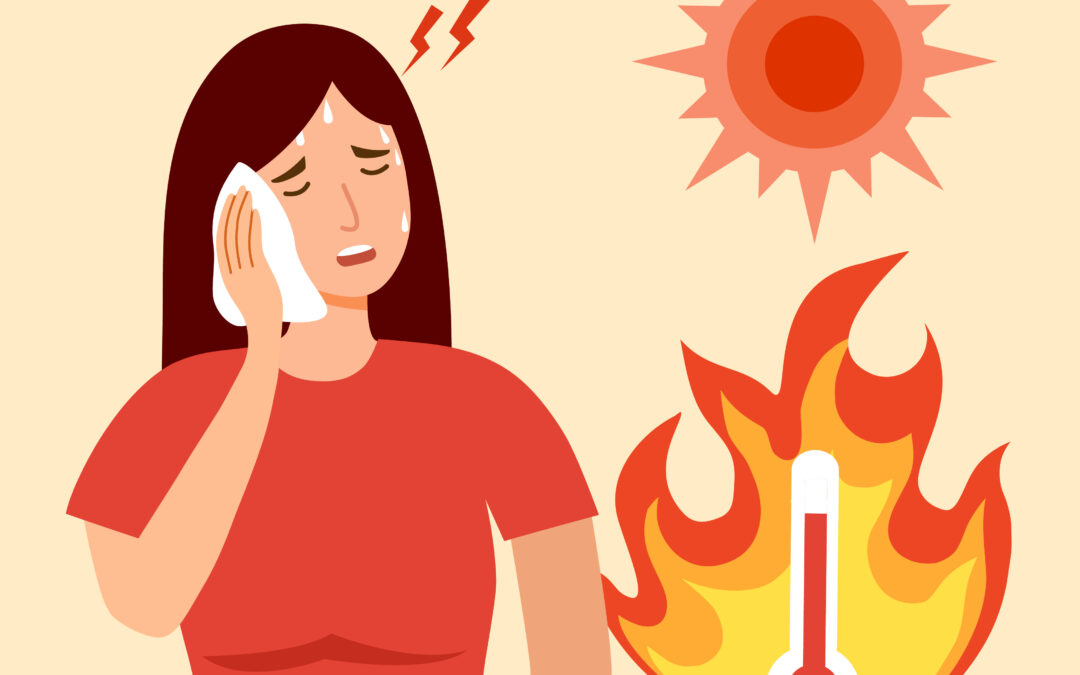
Don’t let the sunshine get the best of you. Here’s how you can protect yourself from sun poisoning, heat exhaustion and heat stroke. Walk-ins are welcome.
Long days and warm weather make summer the perfect season for outdoor fun like petting some furry friends at Creature Features or playing a round of disc golf at Athens Regional Park. But these activities can bring serious health risks if you’re not careful. Most people know to watch out for sunburns, but few realize that sun poisoning, a severe skin reaction to UV rays, can actually lead to heat exhaustion or even heatstroke if untreated.
Here’s what to know before your next sunny day adventure, and how AFC Athens can help if symptoms start to show up.
What Is Sun Poisoning?
Sun poisoning is not just a bad sunburn, it’s a severe skin reaction caused by extensive exposure to ultraviolet (UV) rays, typically from the sun; although, it can also come from tanning beds. Unlike typical sunburns that fade after a couple of days, sun poisoning comes with more intense symptoms and lasts longer.
Common Symptoms of Sun Poisoning:
- Deep redness, swelling and pain
- Itchy skin or rash
- Blisters or hives
- Headache and fever
- Dizziness or dehydration
- Nausea and fatigue
These symptoms might appear just a few hours after sun exposure or develop slowly over the next day. Recovery can take several days to over a week, especially if blistering or a rash is involved.
At-Home Relief for Mild Sun Poisoning
For less severe cases, some at-home remedies can help:
- Apply a cool, damp cloth to affected areas
- Use hydrocortisone cream to reduce inflammation
- Take oral antihistamines to relieve itching
- Apply aloe vera gel to soothe the skin
- Stay hydrated and avoid further sun exposure
When Sun Poisoning Leads to Heat Exhaustion
When your skin is severely burned, it can impair your body’s ability to regulate temperature. Combine that with dehydration, fatigue and ongoing sun exposure, and your risk of heat exhaustion significantly increases.
What Is Heat Exhaustion?
Heat exhaustion is your body’s warning sign that it’s overheating. It’s often caused by prolonged exposure to high temperatures, especially when combined with strenuous activity or high humidity. Sweating helps cool you down, but when you lose too much fluid and electrolytes, your internal temperature rises to dangerous levels.
Signs of Heat Exhaustion:
- Heavy sweating
- Weakness or fatigue
- Dizziness or lightheadedness
- Nausea or vomiting
- Muscle cramps
- Pale, cool and clammy skin
- Rapid but weak pulse
- Headache or fainting
Left untreated, heat exhaustion can progress into heatstroke, a life-threatening emergency.
When Heat Exhaustion Becomes Heatstroke
Heatstroke happens when the body’s temperature regulation fails, causing the body temperature to rise to 104°F or higher. It may come on suddenly or develop from untreated heat exhaustion.
Symptoms of Heatstroke:
- Skin condition is the biggest indicator. Someone suffering from heatstroke will have hot, dry or slightly moist skin compared to skin that is cool, pale and clammy.
- Rapid, strong pulse
- Confusion, slurred speech or agitation
- Seizures or loss of consciousness
- Nausea and throbbing headache
If you suspect someone has heatstroke, call 911 immediately. Move them to a cooler area and use cold cloths or ice packs under their arms and neck while waiting for emergency care.
Preventing Sun Poisoning and Heat-Related Illnesses
You don’t have to stay indoors all summer, just take a few smart precautions:
Stay Hydrated: Drink water throughout the day, even if you don’t feel thirsty
Wear Light Clothing: Choose light-colored, loose-fitting clothes that breathe
Use Sunscreen: Apply SPF 30+ and reapply every two hours
Limit Sun Exposure: Avoid direct sunlight between 10 a.m. and 4 p.m.
Take Breaks: Rest in the shade or indoors often
Acclimate Slowly: Let your body adjust to the heat
Avoid Strenuous Activity: Especially during peak heat
Check the Weather: Stay alert to heat advisories or warnings
How AFC Urgent Care Can Help
If symptoms don’t improve or if you’re unsure what’s going on, AFC Athens is here to help.
For Sun Poisoning:
Our medical providers can assess the severity of your burn, treat blisters, help relieve inflammation and rule out other causes like allergic reactions or skin infections. We may also prescribe stronger topical creams, oral steroids or antihistamines if needed.
For Heat Exhaustion:
Select AFC clinics offer IV hydration therapy, which can quickly rehydrate your body and help you recover faster. Our team can also monitor your condition and determine if additional care is necessary.
For Heatstroke:
This is a medical emergency. Call 911 immediately. While you wait for help, move the person to a cooler area and try to lower their body temperature with cold compresses, wet towels or a cool bath.
Stay Safe and Cool This Summer
Summer should be fun, not dangerous. If you start feeling the effects of too much sun or heat, don’t wait it out. AFC Athens is ready to help you feel better fast. We offer extended hours and accept most major insurances. Walk in today, no appointment needed!
Recent Comments