
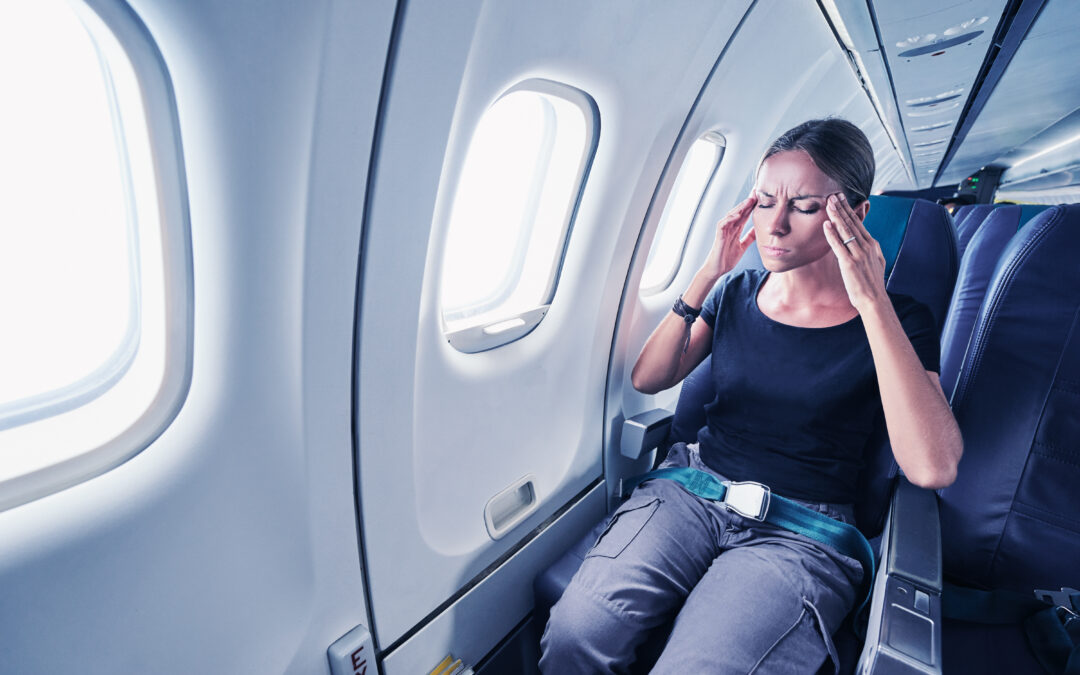
Traveling this summer? Motion sickness is common among Americans. Find out ways you can prevent it & check into our Athens clinic for extra care.
There’s nothing worse than heading out on Highway 30 toward the mountains or planning a fun family trip to Mayfield Dairy Farms, only to be sidelined by motion sickness halfway there.
Whether it hits while driving through winding backroads, flying to visit family or even trying out a virtual reality headset, motion sickness is frustrating and all too common. While there’s no cure, the good news is there are plenty of ways to prevent it before it ruins your plans.
What Causes Motion Sickness?
Motion sickness isn’t caused by a physical illness or emotional stress. It’s triggered by your inner ear sending mixed signals to your brain. When what your eyes see doesn’t match how your body feels, the result is a queasy, off-balance sensation.
Symptoms can include:
- Nausea and vomiting
- Dizziness and headache
- Sweating and pale skin
- Just feeling plain awful during the ride
Some people are naturally more sensitive. You might be more likely to get motion sick if:
- You’re between the ages of 6 and 12
- You’re pregnant
- You already experience vertigo
- You have a family history (if one parent has motion sickness, there’s a 50% chance their kids will too)
While most people don’t outgrow motion sickness completely, it often becomes less intense with age.
What to Avoid During Travel
If you’re planning a scenic drive to Cherokee National Forest or heading down I-75 for a weekend getaway, these are a few things that can make motion sickness worse:
- Eating greasy or heavy foods before you leave
- Drinking anything that makes you feel bloated or full
- Reading, scrolling on your phone or playing video games
- Smoking or exposure to nicotine
- Traveling in poor visibility or turbulent conditions
- Watching the scenery fly by out the side window
Tips That Can Help
There are simple, natural strategies that can make a big difference for your next trip:
- Keep your head and body still
- Face forward
- Breathe slowly and deeply
- Distract yourself, play your favorite music
- Eat a small, light meal beforehand
In the car:
- Sit in the front seat if possible
- Focus on the road ahead or a fixed point on the horizon
- Crack a window or aim an AC vent your way
- If you’re in the backseat, try sitting in the middle so you can look out the front window
- And just in case, always bring a paper bag and some wipes to help with the clean-up
On a plane:
- Sit closer to the center of the plane, by the wings
- Utilize overhead air vents above your seat
- Avoid looking out the window
- Before takeoff, look for where the sick bag is kept at your seat
Habituation:
- The practice of familiarizing yourself with something or a situation. Allow yourself to be exposed to motion, and therefore, motion sickness with the idea that symptoms will lessen over time.
- But keep in mind this method could take years for changes to be noticeable.
Products That Can Help
If motion sickness keeps getting the better of you, consider a few over-the-counter helpers:
- Dramamine (Dimenhydrinate): A popular motion sickness medication that works best when taken one hour before travel. There’s also a version made just for kids!
- Acupressure wristbands: These bands apply pressure to a point on your wrist that may help reduce nausea. Many people find them helpful for car rides and even flights.
Final Thoughts
Most of the time, motion sickness fades once the movement stops, but if symptoms linger or feel more intense than usual, don’t hesitate to stop by AFC Athens.
We’re open seven days a week with no appointment needed. Just walk in and we’ll help get you back to feeling better, so you don’t dread that road trip, cruise or plane ride.
Recent Comments